 Rwanda vs Uganda Gorilla Trekking
Home › Guides › Malaria in Uganda and Rwanda: Health Rules for a Gorilla Trek
Malaria in Uganda and Rwanda: Health Rules for a Gorilla Trek
The CDC recommends prescription antimalarial medicine for all travellers going to Uganda, and it lists Rwanda's malaria transmission area as 'All', so gorilla trekkers need protection for both countries. Malaria Uganda rules come down to four things: the right tablets, a doctor visit before you fly, bite prevention on the trail, and a fever plan for afterwards.
Quick answer The four malaria rules for a gorilla trek
Take prescription antimalarial medicine for both Uganda and Rwanda. The CDC lists atovaquone-proguanil, doxycycline, mefloquine and tafenoquine for Uganda, and it flags Rwanda as an all-country risk area. See a doctor four to six weeks before travel and treat any fever after the trek as malaria until tested.
Key takeaways
- Compare the two countries on the rwanda vs uganda gorilla trekking homepage before you book permits.
- See how elevation and forest change the trek at Bwindi Impenetrable National Park.
- Read Is Uganda Safe for Gorilla Trekking? for the wider safety picture beyond health.
- Pick the best time to visit Uganda for gorilla trekking to see how seasons affect rain and mosquitoes.
How likely is it to get malaria in Uganda?
Without tablets the chance of infection is real because over 90% of Uganda's population lives at risk and transmission covers the country.
What this means for a gorilla trek
Every Uganda itinerary that reaches Bwindi or Mgahinga passes through lower, warmer country where insect numbers are higher. The overnight stops before and after the trek are often in valley towns at lower elevation than the trailhead. Take your medicine through the whole trip window and sleep under a treated net at those stops.
For the trek itself, Mgahinga Gorilla National Park sits high on the Virunga volcanoes and Bwindi is a mid-elevation rainforest, so conditions differ between the two.
Sources: Uganda Wildlife Authority, CDC Travel Health.
Do I need malaria tablets for Rwanda as well as Uganda?
Yes, because the CDC lists Rwanda's malaria transmission area as 'All' and Canada's travel health service recommends antimalarial medication for most travellers to Rwanda.
Uganda vs Rwanda at a glance for trekkers
| Feature | Uganda | Rwanda |
|---|---|---|
| Malaria area | Whole country risk, medicine advised by CDC | Listed as 'All' by CDC, medicine advised |
| Main trekking parks | Bwindi, Mgahinga | Volcanoes National Park |
| Trek length | 2 to 7 hours plus 60 minutes with gorillas | 90 minutes to the whole morning, one hour with gorillas |
| Fever rule after trek | Test, do not guess | Test, do not guess |
Sources: CDC Travel Health, Government of Canada, Visit Rwanda.
Tours That Fit
Both sides of the border carry the same medicine rule, so pick the itinerary first and add the tablets after.
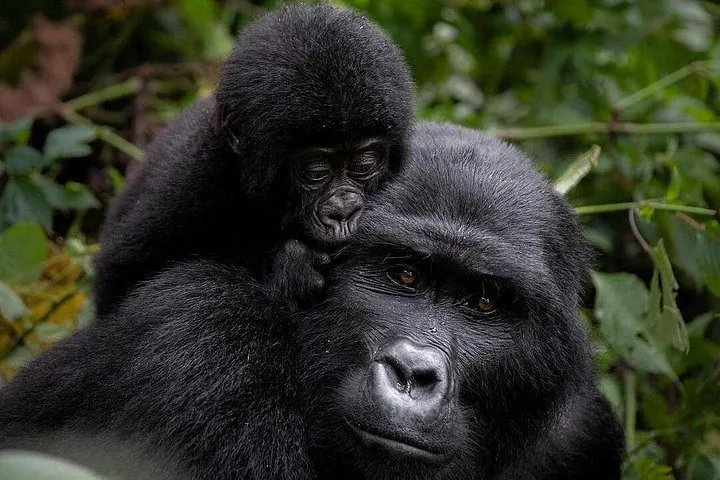
3 Days gorilla trekking Safari tour in Uganda
Private three day Uganda gorilla safari with the permit, two nights lodging, meals, a Batwa tour and a Lake Bunyonyi canoe ride for $2600 per person.
- Cancellation
- Free cancellation 24h
- Operator
- Dav Safaris
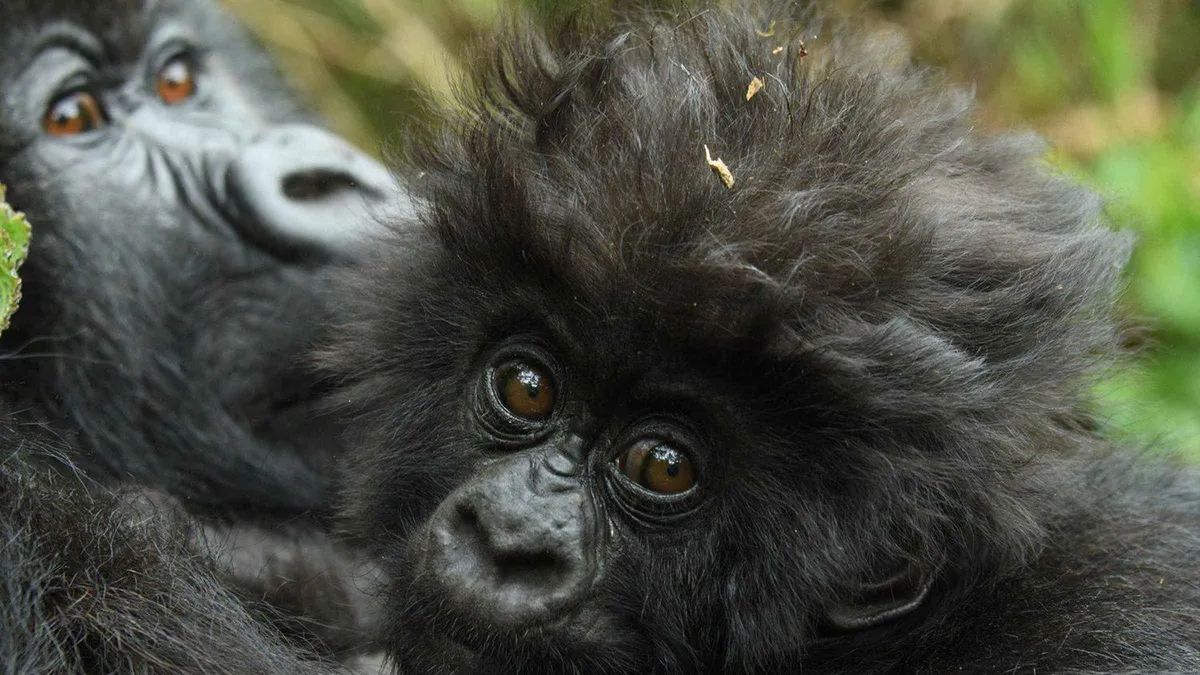
Rwanda Gorilla Trek in Volcanoes National Park
A private day trek from Kigali with a culture tour and lunch, rated 4.9, but the gorilla permit is paid separately and the operator helps arrange it.
- Cancellation
- Free cancellation 24h
- Operator
- Vista Safaris
Which malaria tablets work best for a gorilla trek in Uganda?
The CDC lists four recommended medicines for Uganda: atovaquone-proguanil, doxycycline, mefloquine and tafenoquine, and the right one depends on your health history and your doctor.
For a short high-altitude trekking trip the four options behave differently. Your doctor picks, but you should know the trade-offs before the appointment.
How the four options differ for a trek itinerary
Atovaquone-proguanil is started shortly before travel and suits short trips well, which is why many trekkers on a three-day itinerary use it. Doxycycline also suits short trips but needs strict daily use and can make skin sun sensitive, a real issue on an open trail. Mefloquine is a weekly tablet but has known neuropsychiatric side effects that some trekkers avoid.
Tafenoquine is a newer option with its own screening requirements, including a check for G6PD deficiency before use. Only your doctor can confirm which one is safe for you.
| Medicine | Typical pattern | Watch point for trekkers |
|---|---|---|
| Atovaquone-proguanil | Daily, started before travel | Good fit for short trips like a 3 day trek |
| Doxycycline | Daily | Sun sensitivity on an open trail |
| Mefloquine | Weekly | Side effects some travellers avoid |
| Tafenoquine | Course set by doctor | Needs pre-travel screening |
Source: CDC Travel Health.
How far in advance should I take malaria tablets before a gorilla trek?
See a doctor four to six weeks before travel, and start the medicine multiple days before the trip, continuing during and after it depending on the drug.
Your pre-trek health timeline
| When | What to do |
|---|---|
| 4 to 6 weeks before | Travel clinic appointment for vaccines and prescription |
| Multiple days before travel | Start antimalarial tablets as directed |
| During the trip | Continue daily or weekly dose through the trek |
| After the trek | Keep taking the course for as long as directed |
Source: CDC Travel Health.
Do I need a yellow fever certificate for Uganda?
The CDC recommends the yellow fever vaccine for unvaccinated travellers aged one year or older going to Uganda, and NaTHNaC notes yellow fever transmission risk throughout the country.
Other vaccines and health notes for the trek
The CDC also recommends a meningitis vaccine for travellers to parts of Uganda in the meningitis belt during the dry season, roughly December to June. NaTHNaC lists sections for chikungunya, dengue, rabies, tuberculosis, schistosomiasis, Zika and altitude illness for Uganda. For trekkers the practical ones are rabies (remote forests, long distance from treatment) and altitude awareness on the Virunga volcanoes.
Rwanda additionally runs health screening at Kigali airport and border restrictions with the DRC linked to the Ebola outbreak there, which the FCDO says may change at short notice.
| Health item | Rule or advice | Source |
|---|---|---|
| Yellow fever vaccine | Recommended for unvaccinated travellers 1 year and older | CDC |
| Meningitis vaccine | For parts of Uganda in the belt, dry season roughly December to June | CDC |
| Entry certificates | No IHR certificate requirements recorded for Uganda | NaTHNaC |
| Rwanda screening | Health screening at Kigali airport, DRC border restrictions may change | FCDO |
Sources: CDC Travel Health, FCDO Travel Advice.
How do I avoid mosquito bites during a 2 to 7 hour forest trek?
Wear long sleeves and long trousers, use insect repellent, and keep the medicine course running, because the CDC lists bite prevention alongside antimalarials as core protection.
Trek day bite prevention checklist
| Item | Why it matters |
|---|---|
| Long sleeves and trousers | Bites plus nettle protection on volcano slopes |
| Repellent applied before 07:00 briefing | Peak biting is early and late in the day |
| Antimalarial taken that morning | Continues the protective course |
| Net or screened room at night | Valley lodges sit lower than the trailhead |
Sources: CDC Travel Health, Visit Rwanda.
What should I do if I get a fever during or after the trek?
Treat any fever in the weeks after a trek in Uganda or Rwanda as malaria until a test proves otherwise, and seek medical care rather than waiting it out.
Fever action plan
| Situation | Action |
|---|---|
| Fever on trek day | Tell your guide, descend to medical care |
| Fever while still in country | Get a malaria test the same day |
| Fever after returning home | Seek care and state your travel destinations |
| Chills or fever months later | Ask for malaria testing, some species relapse |
Source: CDC Travel Health.
Which African country has the worst malaria?
Uganda is among the countries carrying the largest malaria burden in Africa, and it bears a particularly large share of the global malaria burden in published research.
Burden figures that frame the risk
WHO estimated 13.2 million malaria cases and over 16,204 deaths in Uganda in 2024. Malaria accounts for 30 to 50% of outpatient visits and 15 to 20% of hospital admissions there. Uganda's entire population of 45.5 million is considered at risk of infection.
| Figure | Value |
|---|---|
| Population at risk | Over 90%, about 45.5 million people |
| Estimated cases in 2024 | 13.2 million |
| Estimated deaths in 2024 | Over 16,204 |
| Share of outpatient visits | 30 to 50% |
Source: PMC.
Malaria Questions From Trekkers
What are the new malaria treatment guidelines in Uganda for 2026?
National treatment protocols are a matter for Uganda's health authorities and are not covered on the travel advice pages this guide draws on. For your trip the relevant guidance is the CDC traveller advice to take prescription antimalarials and get tested for any fever. See the gorilla trekking cost guide for planning the rest of the trip.
Why is Uganda on the travel ban list?
Uganda is not on a general travel ban list for tourists. Some health agencies issue travel notices for disease outbreaks, and trekkers should read the CDC Uganda page and the FCDO advice before booking. The gorilla parks remain open and treks run daily.
Do I need a yellow fever certificate for Uganda?
The CDC recommends the yellow fever vaccine for unvaccinated travellers aged one or older going to Uganda, and NaTHNaC records no certificate requirements for Uganda itself under International Health Regulations. Carry the certificate anyway if your itinerary crosses other borders.
Uganda malaria risk map: where is the risk highest?
NaTHNaC publishes an antimalarial recommendations map and separate malaria risk areas for Uganda on its Uganda page. For trekkers the whole country is treated as a risk area and medicine is advised regardless of the park you visit.
Uganda malaria season: when is the risk worst?
The source pages this guide uses do not state month by month transmission levels for Uganda. What they do state is that the CDC recommends antimalarials for Uganda travel in general, so trekkers take tablets whatever the month. For trip timing read the Uganda weather month by month guide.
Uganda malaria prophylaxis: which drug do most trekkers take?
The CDC lists atovaquone-proguanil, doxycycline, mefloquine and tafenoquine without ranking them. Many trekkers on short itineraries use a short-course daily option, but the choice must be made with a doctor who knows your history.
Can I skip antimalarials because the gorilla parks are at high altitude?
No. The CDC lists Rwanda's malaria transmission area as 'All' and recommends medicine for Uganda travel across the board, and you travel through lower country before and after the trek. Skipping the tablets leaves you exposed on the drive, at the lodges and in the forest itself.
Is gorilla trekking itself safe for my health?
The health rules protect both you and the gorillas. Visitors with a cold, flu or other contagious illness must not visit, you keep 7 metres from the gorillas and the Gorilla Friendly Pledge asks for a facemask at all times. Read more in Is Gorilla Trekking Safe?
More Guides
- Bwindi Impenetrable National Park: Gorilla Trekking in Uganda Compared With Rwanda
Plan Bwindi in 2027: 4 sectors, treks of 2 to 7 hours, permits and how Uganda compares with Rwanda. See tours and book.
- Best Time to Visit Uganda for Gorilla Trekking
Plan the best time to visit Uganda in 2027. Two dry seasons, June to September and December to February, See the month table and book.
- How Much Does Gorilla Trekking Cost in Rwanda and Uganda?
Gorilla trekking cost 2027: permits, tour prices and booking rules. 96 permits daily in Rwanda, treks of 2 to 7 hours. Compare and plan your trek.