 Rwanda vs Uganda Gorilla Trekking
Home › Guides › Lake Bunyonyi: The Lake Stop Before or After Gorilla Trekking in Bwindi
Lake Bunyonyi: The Lake Stop Before or After Gorilla Trekking in Bwindi
Lake Bunyonyi is the easy rest stop for a Bwindi gorilla trek, best known for swimming, canoe rides to 29 islands, birdwatching and village walks. It sits about 7 km west of Kabale between Kisoro and Kabale, so it slots neatly before or after your trek.
Quick answer Lake Bunyonyi in one answer
Lake Bunyonyi is a highland lake in south-western Uganda with 29 islands, more than 200 bird species and safe swimming, about 7 km west of Kabale. Most trekkers add one or two nights here after gorilla trekking in Bwindi, reachable by road via Kabale or Kisoro.
Key takeaways
- Compare the two countries in our rwanda vs uganda gorilla trekking guide
- Check the Bwindi trailheads in Bwindi Impenetrable National Park
- See how permit prices differ on Gorilla Trekking Permit: Rwanda vs Uganda Prices and How to Book
- Plan the rest of the trip with Best Time to Visit Uganda for Gorilla Trekking
Should I visit Lake Bunyonyi before or after gorilla trekking in Bwindi?
Most travellers place Lake Bunyonyi after the trek, when tired legs want a lake, a canoe and a slow day.
The lake sits between Kisoro and Kabale, close to the border with Rwanda, which makes it a natural add-on to a Bwindi trek from either direction. After the trek is the classic choice. Uganda gorilla treks last between 2 to 7 hours with 60 minutes of observation, and some reports say a trek can take from 30 minutes to three quarters of the day. A night or two on the shore afterwards is the standard recovery stop. Most visitors make it an R&R stop after gorilla trekking in nearby Bwindi Impenetrable Forest. Before the trek also works if you sleep near the right trailhead the night before. Bwindi has four sectors: Buhoma, Ruhija, Rushaga and Nkuringo. Kabale and the lake sit closer to the Ruhija and Rushaga side, while Kisoro serves Nkuringo and Mgahinga. If your permit is for Buhoma in the north, the lake is a detour, so do it after the trek instead. Plan at least a night or two on the shores or one of the islands. Trying to squeeze the lake into a trekking day usually means a rushed boat ride and a late drive. A note on seasons: mountain gorilla trekking permits are available throughout the year and the wettest months are March to May. Wet weather on the lake means colder swims and choppier canoe rides, another reason many trekkers keep the lake flexible at the end of the itinerary. Read more in Uganda Weather for Gorilla Trekking, Month by Month.
How many nights do I need?
Two nights is the comfortable minimum. One full day covers a canoe trip, an island stop and a swim, and the second morning gives you an unhurried drive on to Kigali or back towards Entebbe. For trek days themselves, Dav Safaris 3 Day Gorilla Trekking Uganda is a worked example of how a Bwindi trek fits into a short trip.
| Option | How it works | Best for |
|---|---|---|
| Lake after the trek | Trek in Bwindi, then drive to the lake for 1 to 2 nights of rest | Most trekkers, tired legs, flexible schedule |
| Lake before the trek | Sleep lakeside, drive early to your Bwindi sector for the 07:00-style briefing day | Permits for Ruhija or Rushaga |
| Skip the lake | Head straight to Kigali or Entebbe after the trek | Buhoma permits or very short trips |
Routing via Kabale and Kisoro
The lake lies about 7 km west of Kabale town. Coming from Rwanda, you cross the border close by and reach the lake from the south. Coming from Kisoro after trekking Nkuringo or Mgahinga, you approach from the west.
Pick your accommodation side based on which way you are driving next, so you do not back-track.
Source: Uganda Wildlife Authority.
What is special about Lake Bunyonyi?
It is a high, island-dotted lake ringed by terraced hills, with safe swimming, rich birdlife and a dark story on one of its islands.
Lake Bunyonyi sits at 1,962 m above sea level, is about 25 km long and 7 km wide and covers 61 square kilometers, with 29 islands scattered across it. Terraced hills around the shore reach 2,200 to 2,478 m. It is the largest and highest of three Kigezi highland lakes alongside Lake Mutanda and Lake Mulehe. For a gorilla trekker the appeal is simple: after hours of steep forest, the lake offers flat water, warm terraces and no early alarm. Its 200-plus bird species include the Grey Crowned Crane, and the lake has swimming, boat cruising, hikes and nature walks on offer. If you are weighing the lake against the volcanoes themselves, our Virunga Mountains guide covers the hiking alternative.
The sister lakes
Lake Mutanda and Lake Mulehe sit closer to Kisoro and the Mgahinga trailhead, so they work better if you trek in the south-west first. Lake Bunyonyi is bigger, higher and busier, with more accommodation and activities to choose from. Many itineraries, including some three-day trips, offer canoeing on Lake Bunyonyi or Lake Mutanda as the same rest-day slot.
| Lake | Position for a Bwindi trek | Character |
|---|---|---|
| Lake Bunyonyi | Kabale side, near the Rwanda border | Largest and highest of the three, 29 islands, most activities |
| Lake Mutanda | Kisoro side, near Nkuringo and Mgahinga | Smaller, closer to the southern trailheads |
| Lake Mulehe | Kisoro side | Quietest of the three |
What the altitude means for you
At 1,962 m the evenings are cool after a hot trekking day. Pack a layer for lakeside dinners, the same rule as for Mgahinga Gorilla National Park mornings.
Is Lake Bunyonyi the deepest in the world?
No, and even the depth itself is disputed, with science saying about 40 m and local guides saying about 900 m.
Scientific literature quotes a maximum depth of 40 m (130 ft), but tourist guides and locals claim about 900 m, which would make it the second deepest lake in Africa after Lake Tanganyika at 1,471 m. Other operator estimates run from 44 m to 900 m. So is it the deepest in the world? No. It is not the deepest in Africa on any published figure, and the measured depth is far below the world's deepest lakes. The honest answer for a traveller is that the lake is deep enough that weak swimmers should stay near the shore, and the 900 m claim should be enjoyed as local legend rather than fact. The same caution applies at altitude on the Bwindi trails: take local claims about effort and distance with a grain of salt.
Depth figures side by side
Different sources print different numbers, which is why the depth question never quite dies.
| Source type | Depth given |
|---|---|
| Scientific literature | 40 m (130 ft) |
| Operator estimate | about 44 m |
| Second operator | 44 m to 900 m range |
| Local guides and lore | about 900 m, which would rank second in Africa |
Why it matters for swimmers
The depth is the one real hazard at the lake, and it is a caution mainly for inexperienced swimmers. The water itself has no dangerous animals, which is covered in the swimming section below.
How was Lake Bunyonyi formed?
A volcanic eruption blocked a valley near Muko about 18,000 years ago and the dammed valley filled into the lake you see today.
The lake was formed about 18,000 years ago by a volcanic eruption blocking a valley near Muko. That origin explains the shape: a long, branching body of water about 22 to 25 km long with drowned valleys that now read as its many arms and islands. The same volcanic landscape produced the gorilla habitat you will have walked. The lakes and the mountain gorillas of Bwindi and Mgahinga share one highland region, which is exactly why the lake makes such a convenient trekking add-on.
Height and setting
Wikivoyage places the lake at about 1,973 m above sea level, surrounded by mountains rising up to 600 m above the water. On the ground this means every viewpoint involves a short climb, and every canoe ride comes with a wall of terraced hills behind it.
How many islands are on Lake Bunyonyi, and what is the story of Punishment Island?
The lake has 29 islands, and the most talked about is Akampene, the Punishment Island, where the Bakiga once abandoned unmarried pregnant girls.
The lake holds 29 islands, including Punishment Island and Bushara Island. The Bakiga used to leave unmarried pregnant girls on Akampene, the Punishment Island, to die, a practice abandoned in the first half of the 20th century. Guides tell the story on nearly every boat trip. Bwama island carries a very different history: in 1931 missionary Leonard Sharp established a leprosy treatment centre there. Kyahugye Island is the closest to the shore, covering 74 acres with birding and nature walks, which makes it the easiest island target for a short trip. Bushara Island is a pine-shaded stop popular with campers. A standard island-hopping canoe trip takes in two or three of these stops. Budget half a day to do it properly, or a shorter evening paddle if your trek starts early the next morning.
Islands worth a stop
| Island | What it is | Time needed |
|---|---|---|
| Akampene (Punishment Island) | Historic site of the Bakiga punishment practice, told by guides on the water | 30 to 60 minutes |
| Kyahugye Island | Closest to shore, 74 acres of birding and nature walks | 2 to 3 hours |
| Bwama Island | Former leprosy treatment centre founded by Leonard Sharp in 1931 | about 1 hour |
| Bushara Island | Pine-covered island used for camping | half a day or overnight |
Booking the trip
Boats and canoes leave from landings such as Rutinda. Arrange the trip through your lodge or on the shore the same day, and agree which islands are included before you set off. A boda boda ride to Rutinda cost 5,000 USh one way according to one travel writer.
Tours That Fit
These treks run in the region around Lake Bunyonyi and pair naturally with a lake stop.
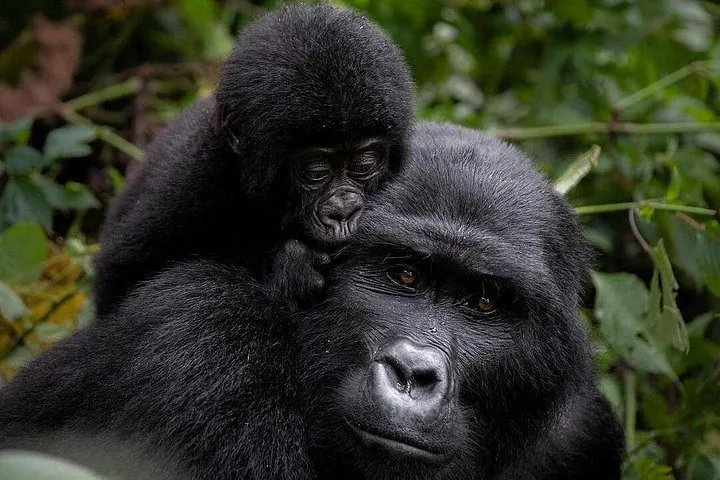
3 Days gorilla trekking Safari tour in Uganda
Private three day Uganda gorilla safari with the permit, two nights lodging, meals, a Batwa tour and a Lake Bunyonyi canoe ride for $2600 per person.
- Cancellation
- Free cancellation 24h
- Operator
- Dav Safaris
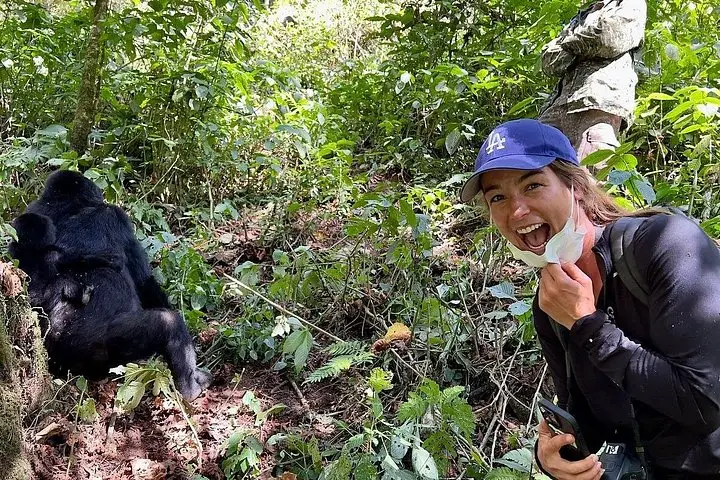
3 Day Uganda Gorilla Trekking and Batwa Pygmies Experience
A private 3 day Uganda gorilla trek with a Batwa cultural experience, permit of $800 included in the $1860 price, from Entebbe or Kampala.
- Cancellation
- Full refund 6 days ahead, 50% between 2 and 6 days, no refund within 2 days
- Operator
- Eco Adventure Safaris
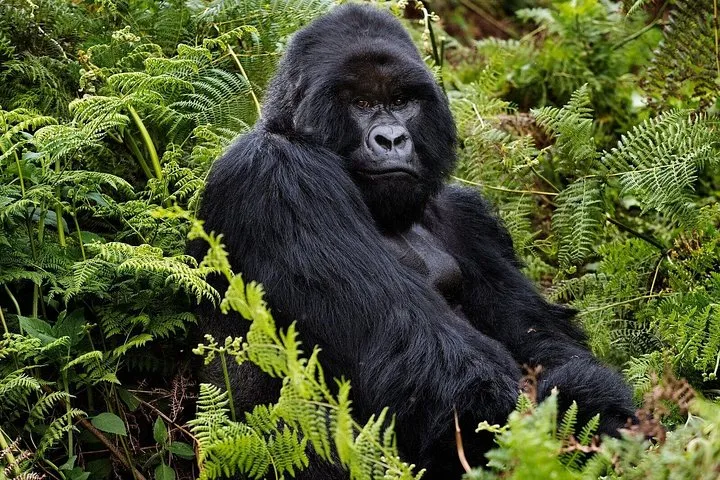
2 Days Gorilla & Golden Monkey Trekking Safaris
Two private treks with canoeing and a lodge night, but the $715 price excludes the gorilla permit while golden monkey permits are included.
- Cancellation
- Free cancellation 3 days
- Operator
- Kingfisher Journeys
What can I do at Lake Bunyonyi during a gorilla trip?
Swim, take canoe rides and island hops, join sunset boat cruises, hike, walk in villages, watch birds, ride mountain bikes and zip line at Supreme Adventure Park.
Activities include canoe rides and island hopping, sunset boat cruises, Batwa pygmy tours, hiking, community village walks, zip lining at Supreme Adventure Park, bird watching and mountain biking. The lake also has over 200 bird species, swimming, boat cruising, hikes and nature walks. On a price comparison, few operators publish current activity costs. One travel writer reports that a motorized one-hour canoe tour cost 100,000 USh and a non-motorized boat 50,000 USh, and that a boda boda ride to Rutinda cost 5,000 USh one way. Expect to confirm prices locally on the day, since figures are not stated on most operator sites. Culture is a big part of the offer. The Bakiga and Batwa live on the shores, the Batwa having been evicted from Bwindi and Mgahinga. Cultural sites include the Bakora cave and the Abaheesi traditional smiths. One caution from travellers: some Batwa tribe tours are considered exploitative, so make an informed decision before you book one. Our own Gorilla Trekking and Batwa Experience tour covers the Batwa visit on the trek side.
Activity summary
| Activity | Time it takes | Cost | How to do it |
|---|---|---|---|
| Swimming | as long as you like | free from your lodge | swim from lodge lawns or jetties, stay near shore |
| Motorized one-hour canoe tour | 1 hour | 100,000 USh as reported by one travel writer | book at Rutinda or via your lodge |
| Non-motorized boat | half day typical | 50,000 USh as reported by one travel writer | agree islands before departure |
| Boda boda to Rutinda | short ride | 5,000 USh one way as reported | hire at the roadside |
| Birdwatching | morning or evening, 2 to 3 hours | not stated | walk the shore with a local guide |
| Hiking and nature walks | 2 to 4 hours | not stated | guides arrange village and hill routes |
| Zip lining at Supreme Adventure Park | short session | not stated | book at the park on the Kyahugye side |
| Batwa or village community walk | half day | not stated | book through a reputable lodge |
| Sunset boat cruise | 1 to 2 hours | not stated | ask your lodge the evening before |
Which tours cover several at once
Some Bwindi itineraries fold lake activities into the trek itself. The Dav Safaris 3 Day Gorilla Trekking Uganda trip is a three-day example, and activities on comparable three-day trips include the gorilla trek, a Batwa community walk, an equator stopover, and canoeing on Lake Bunyonyi or Lake Mutanda. On the Rwanda side, the Kingfisher Journeys 2 Day Gorilla Trekking Rwanda trek pairs gorillas with golden monkeys if you want a second activity day in the region.
| Tour | Price | Duration | What it combines |
|---|---|---|---|
| Dav Safaris 3 Day Gorilla Trekking Uganda | $2,600 per person | 3 days | trek in a short Uganda itinerary |
| Eco Adventure Safaris Gorilla Trekking and Batwa Experience | $1,860 per person | 3 days | gorilla trek plus Batwa cultural day |
| Kingfisher Journeys 2 Day Gorilla Trekking Rwanda | $715 per person | 2 days | gorillas plus golden monkeys |
A rest-day plan after the trek
Morning: swim and a slow breakfast. Late morning: canoe or boat to Kyahugye and Punishment Island. Afternoon: bird walk or the Bakora cave.
Evening: crayfish on a terrace while you compare trek notes. If you still have energy, the volcanoes offer more, from golden monkeys in Mgahinga to the hikes in our Virunga Mountains guide.
Is Lake Bunyonyi safe to swim in?
Yes, the lake is reputed to be free of bilharzia and has no hippos or crocodiles, though its depth deserves respect.
Rumor has it the lake is free of bilharzia and safe for swimming, and travel writers report it is free of bilharzia and dangerous wildlife like hippos and crocodiles. The depth is the caution, mainly for inexperienced swimmers, so stay close to shore. For a trekker this matters more than it sounds. After a 2 to 7 hour trek you will want a proper swim, and at most gorilla lakes in the region that is not possible. Here it is, straight off the lodge lawn. Two practical notes. First, highland water is cool even on warm days, so get in slowly. Second, weather can cancel water plans, and the wettest months for the region are March to May, so keep a shore-based backup such as a village walk for stormy afternoons.
Swimming checklist
| Question | Answer |
|---|---|
| Bilharzia | rumored free of bilharzia, safe for swimming |
| Hippos and crocodiles | none reported at the lake |
| Main hazard | depth, a caution for inexperienced swimmers |
| Best time | midday, when the highland air is warmest |
Other wildlife on the water
The islands carry birdlife rather than big animals. Over 200 bird species have been recorded around the lake, so bring binoculars from your trek kit and keep them handy on any boat ride.
Does Lake Bunyonyi have fish?
Yes, the lake holds Nile Tilapia and Clarias stocked in large numbers, plus mudfish, crayfish and mirror carp.
At the end of 2002, 300,000 Nile Tilapia and Clarias fish were released into the lake, which also holds mudfish, crayfish and mirror carp. Crayfish is the local specialty on lodge menus. You can fish at the lake, and anglers should arrange a trip through their lodge since operator prices for fishing are not stated online. For everyone else the fish matter as dinner. Ask for crayfish at Arcadia Lodge or your own terrace table, and you get the classic Lake Bunyonyi meal the same week you met the gorillas. Note that the lake was historically known for having few fish before stocking, so fishing is a newer activity here rather than a tradition.
Fish in the lake
| Species | Why it matters |
|---|---|
| Nile Tilapia | stocked, 300,000 released with Clarias at the end of 2002 |
| Clarias (catfish) | stocked alongside the tilapia |
| Crayfish | the local menu specialty |
| Mudfish and mirror carp | also present |
Where to eat it
Arcadia Lodge claims the most breathtaking panorama and can be visited for a drink or meal on the terrace, with crayfish as a local specialty. Non-guests can come for lunch between activities.
How do I get to Lake Bunyonyi from Bwindi or Kampala?
The lake lies about 7 km west of Kabale between Kisoro and Kabale, reached by road from any Bwindi sector or on the long drive from Kampala.
The lake is in south-western Uganda between Kisoro and Kabale, close to the border with Rwanda, about 7 km west of Kabale town. From Kampala or Entebbe the drive is long, with one worked itinerary quoting about 8 hours to the Bwindi area including a lunch stop in Mbarara, and Kabale sits further along the same route. From Bwindi, driving time depends on your sector. Rushaga and Ruhija are the closest to Kabale and the lake, while Nkuringo and Mgahinga connect more easily via Kisoro. Buhoma in the north is the farthest, so plan the lake either before reaching Bwindi or well after it. A boda boda from Kabale to the Rutinda landing cost 5,000 USh one way according to one travel writer. If you are flying into Kigali instead, the lake is close to the Rwanda border, which is why so many trekkers route through Kigali. Our Bwindi Gorilla Trekking from Kigali guide covers that crossing in detail, and the East Africa Tourist Visa lets you move between both countries on one visa.
Routes at a glance
| Starting point | Route | Note |
|---|---|---|
| Kampala or Entebbe | road via Mbarara to Kabale, then 7 km west to the lake | about 8 hours to the Bwindi area on a similar route, so plan a full day |
| Bwindi Rushaga or Ruhija | short road transfer to Kabale and the lake | easiest sectors to combine |
| Bwindi Nkuringo or Mgahinga | road via Kisoro to the lake | do it after the trek |
| Bwindi Buhoma | long drive south through the park roads | farthest sector, add the lake at the end of the trip |
| Kigali | cross the nearby border and drive to Kabale | common start point for Uganda treks |
Getting around at the lake
Once there you move by boat or boda boda. The 5,000 USh boda boda fare to Rutinda, as reported by a travel writer, is the standard hop from Kabale side lodges to the main landing.
Source: Uganda Wildlife Authority.
Where can I stay at Lake Bunyonyi?
Sleep on the shore or on an island, with Arcadia Lodge the well-known terrace stop and Bushara Island an option for campers.
It is recommended to spend at least a night or two on the shores or one of the islands. Arcadia Lodge claims the most breathtaking panorama and welcomes non-guests for a drink or meal on the terrace, with crayfish as a local specialty. Bushara Island works for camping and Kyahugye Island sits closest to the shore with its own nature walks. Choose your side of the lake by your next drive. Kabale side suits departures towards Kampala or the Rwanda border, while the Kisoro side suits a return to Nkuringo or Mgahinga. Accommodation prices at the lake are not stated in the guides we draw on, so confirm rates directly when you book, the same way you would compare gorilla trekking cost across the two countries.
Where to sleep
| Base | Type | Why pick it |
|---|---|---|
| Arcadia Lodge | hillside lodge with a wide-view terrace | panorama claimed as the best, open to day visitors |
| Bushara Island | island camping | pines, quiet, close to the water |
| Kyahugye Island | island base, 74 acres | closest to shore, birding and nature walks on site |
| Shore lodges near Rutinda | range of lodges and guesthouses | easiest access to boat landings |
How this fits the trek budget
Lakeside nights are cheap relative to the trek itself. The Uganda gorilla permit for a foreign non-resident is $800 under the UWA tariff, while the Rwanda permit is $1,500 per person per day. One or two lake nights soften the difference if you trek in Uganda, and the full comparison is in our rwanda vs uganda gorilla trekking guide.
Sources: Uganda Wildlife Authority, Visit Rwanda.
Lake Bunyonyi FAQ
What is special about Lake Bunyonyi?
It is a highland lake at 1,962 m with 29 islands, more than 200 bird species and safe swimming, sitting between Kisoro and Kabale on the way to or from a Bwindi gorilla trek.
Is Lake Bunyonyi safe to swim in?
Rumor has it the lake is free of bilharzia and safe for swimming, and it has no hippos or crocodiles. Watch the depth as an inexperienced swimmer, and see our full activities section.
Is Lake Bunyonyi the deepest in the world?
No. Scientific literature quotes a maximum depth of 40 m (130 ft) while locals claim about 900 m, which would still only rank second in Africa behind Lake Tanganyika at 1,471 m.
Does Lake Bunyonyi have fish?
Yes. 300,000 Nile Tilapia and Clarias were released at the end of 2002, and the lake also holds mudfish, crayfish and mirror carp, with crayfish the local menu specialty.
Can you fish in Lake Bunyonyi?
The lake holds tilapia, Clarias, mudfish, crayfish and mirror carp. Fishing trip arrangements and prices are not stated by the guides, so organise it through your lodge on arrival.
How was Lake Bunyonyi formed?
About 18,000 years ago a volcanic eruption blocked a valley near Muko, and the dammed water became the lake with its 29 islands.
What is the story of Punishment Island?
The Bakiga used to leave unmarried pregnant girls on Akampene, the Punishment Island, to die, a practice abandoned in the first half of the 20th century. Guides tell the story on most boat trips.
How do I get to Lake Bunyonyi from Bwindi or Kampala?
Drive by road, about 7 km west of Kabale. Kampala and Entebbe connections take the better part of a day, while Bwindi's Rushaga and Ruhija sectors are the closest, and the Kisoro road serves the southern trailheads. Cross-border trekkers can start from Kigali, as our Bwindi Gorilla Trekking from Kigali guide explains.
More Guides
- Bwindi Impenetrable National Park: Gorilla Trekking in Uganda Compared With Rwanda
Plan Bwindi in 2027: 4 sectors, treks of 2 to 7 hours, permits and how Uganda compares with Rwanda. See tours and book.
- Mgahinga Gorilla National Park: Uganda's Gorilla Park on the Virunga Volcanoes
Mgahinga Gorilla National Park in 2027: gorilla trekking, golden monkeys, three volcanoes and the Batwa Trail. Plan your Uganda gorilla day.
- Virunga Mountains: The Gorilla Volcanoes of Rwanda, Uganda and Congo
All 8 Virunga volcanoes for 2027: peaks, gorillas, permit prices and trek rules in Rwanda, Uganda and Congo. Plan your trek now.