 Rwanda vs Uganda Gorilla Trekking
Home › Guides › Lake Kivu: Where to Rest After Gorilla Trekking in Rwanda
Lake Kivu: Where to Rest After Gorilla Trekking in Rwanda
Lake Kivu is the natural rest stop after gorilla trekking in Rwanda, with Rubavu about an hour's drive from Volcanoes National Park. Kayaking, swimming, cycling the 227 km Congo Nile Trail and beach evenings at Karongi are the main things to do on Rwanda's largest lake.
Quick answer Lake Kivu after your gorilla trek in short
Rubavu is about an hour's drive from Volcanoes National Park, so you can be on the lake shore the same afternoon your trek ends. Kayaking, swimming, cycling the Congo Nile Trail and fishing-village evenings at Karongi fill the days after your permit. Two or three lake nights round out most Rwanda gorilla itineraries.
Key takeaways
- Compare the two countries on rwanda vs uganda gorilla trekking before you book.
- See permit prices in our gorilla trekking cost guide.
- Day treks start with the gorilla trekking day trip from Kigali.
- Plan the season around the best time to visit Uganda if you are crossing over.
Is Lake Kivu worth visiting after gorilla trekking?
Yes, because Rubavu sits about an hour from Volcanoes National Park, which makes the lake the closest place to recover once your trek day is over.
Gorilla trekking at Volcanoes National Park starts with a 7:00 AM briefing at Kinigi, and the hike itself can last from 90 minutes to the whole morning depending on the family assigned. That leaves you tired, at altitude around 1,460 metres on the lake, and ready for flat, quiet surroundings. Lake Kivu gives you exactly that without a long transfer.
Why it works for trekkers
Rubavu, previously known as Gisenyi, sits on the northern edge of Lake Kivu, about an hour's drive from Volcanoes National Park. You drive down from the volcanoes in the afternoon, swim before dinner and sleep at low altitude. Karongi, half way along the lake, is a popular beach resort where fishermen's singing carries across the water at dawn and dusk.
Rusizi closes the lake in the south. The lake itself is big. It covers about 2,700 km2, making it Africa's eighth largest lake and Rwanda's largest, with a shoreline of 860 km and a maximum depth near 485 m.
| Town | Position | Best for | Time from Volcanoes NP |
|---|---|---|---|
| Rubavu (Gisenyi) | Northern edge of the lake | First night after the trek, lakefront restaurants | About 1 hour |
| Karongi | Half way along the lake | Beach time, longer stays, boat trips | Half a day |
| Rusizi | Southern end of the lake | Connections towards Nyungwe and the south | A full day |
How to build it into your trip
Add two nights in Rubavu after a one-day or two-day gorilla trek, then continue to Karongi if you have a fourth night. Travellers on longer safaris use the lake as the buffer between Rwanda and Uganda legs, since the road from Rubavu runs north towards the Virunga Mountains and the border country. The gorilla permit itself costs US $1,500 per person per day according to Visit Rwanda, so the lake is a cheap counterweight to that outlay.
| Itinerary length | Lake plan |
|---|---|
| 1-day trek from Kigali | Drive to Rubavu after the trek, one night, return to Kigali |
| 2-day trek | Two nights at Rubavu, kayaking on the rest day |
| 3-day trek plus lake | Trek days plus two nights at Rubavu and one at Karongi |
Source: Rwanda Development Board.
Which Lake Kivu town should you sleep in after the trek?
Rubavu suits trekkers who want the shortest transfer from Volcanoes National Park, Karongi suits a longer beach stay, and Rusizi suits travellers heading south.
The choice depends on how many nights you have. One night means Rubavu without hesitation. Three nights means splitting between Rubavu and Karongi.
Rubavu, the trekker's first stop
Rubavu is an hour's drive from Volcanoes National Park and Visit Rwanda calls it the perfect place to relax after gorilla trekking. You arrive mid afternoon on trek day, in time for a swim and a lakeside dinner. It also puts you close to the start of the Congo Nile Trail if you want to cycle the next morning.
Karongi, the beach middle
Karongi sits half way along the lake and works as a beach resort base. The pull is the sound of local fishermen singing at dawn and dusk as their boats cross the water. It fits trekkers with a spare day who want boat trips and swimming rather than more hiking.
Rusizi, the southern gateway
Rusizi sits at the southern end of the lake, where the Congo Nile Trail finishes. Note the travel advice before you plan it. The UK FCDO advises against all but essential travel to the parts of Rusizi District within 10 km of the border and to the Rwandan islands in Lake Kivu, while the rest of Rwanda including Volcanoes National Park is not under that warning.
Most gorilla trekkers sleep in Rubavu or Karongi instead.
Source: FCDO Travel Advice.
What Lake Kivu things can you do after a gorilla trek?
Kayaking, swimming, cycling and hiking the Congo Nile Trail, boat trips towards Idjwi island and evening fishing-village visits are the main activities on the lake.
None of these need trek-level fitness, which is the point. They are the recovery days your legs will thank you for.
Kayaking
Visit Rwanda lists kayaking among the lake highlights. Outfitters at Rubavu and Karongi run guided paddles along the shoreline, typically half a day. Book through your lodge or a local operator the day before.
Prices with operators on the lake are not stated on the official pages, so ask your hotel to arrange it and confirm the rate at booking.
Cycling and hiking the Congo Nile Trail
The Congo Nile Trail extends 227 kilometres from Rubavu in the north to Rusizi in the south, with mountain biking and hiking across 6 off-the-beaten-path stages. Gorilla trekkers rarely ride the whole route. Pick one stage out of Rubavu, ride or walk a morning section and return by boat or boda.
A full traverse takes most riders several days, so treat it as a separate trip unless you have a week.
Boat trips and islands
Idjwi, the world's tenth-largest island in a lake, lies in Lake Kivu close to the Congolese shore. Boat charters from Karongi run along the bays and to small islands. Check the FCDO advice first, since the Rwandan islands in Lake Kivu sit inside the advisory for all but essential travel.
Near-shore trips to fishing villages stay within normal tourist areas.
Swimming and evenings by the shore
The lake surface temperature varies between 22 and 24C, so swimming is comfortable year round. In Karongi the fishermen's singing at dawn and dusk is the signature experience, best heard from the beach with a drink.
Summary table
This is how the activities compare for a trekker with one to three spare days.
| Activity | Time it takes | Where | How to arrange |
|---|---|---|---|
| Kayaking | Half a day | Rubavu, Karongi | Lodge or local operator, confirm price at booking |
| Cycling one trail stage | Half to a full day | Rubavu northwards | Bike hire at Rubavu, follow a marked stage |
| Hiking one trail stage | Half to a full day | Anywhere on the 227 km trail | Walk from town, return by taxi or boat |
| Boat trip | 2 to 4 hours | Karongi bays | Charter at the lakefront |
| Swimming | An hour or two | Rubavu and Karongi beaches | Just walk in, water 22 to 24C |
| Fishing village evening | An evening | Karongi | Be on the beach at dusk |
Tours that cover the trek start
Our lake advice pairs with these Rwanda treks. The 1 Day Rwanda Gorilla Trekking Tour In The Volcanoes National Park from Universal Ventures runs 12 hours for $342 per person with a 4.9 rating from 83 reviews, and the gorilla permit is bought separately. The 2 Days Gorilla & Golden Monkey Trekking Safaris from Kingfisher Journeys costs $715 per person over 2 days, which pairs well with a lake extension.
Source: FCDO Travel Advice.
Tours That Fit
These treks leave you with the legs and the schedule for a lake stop.
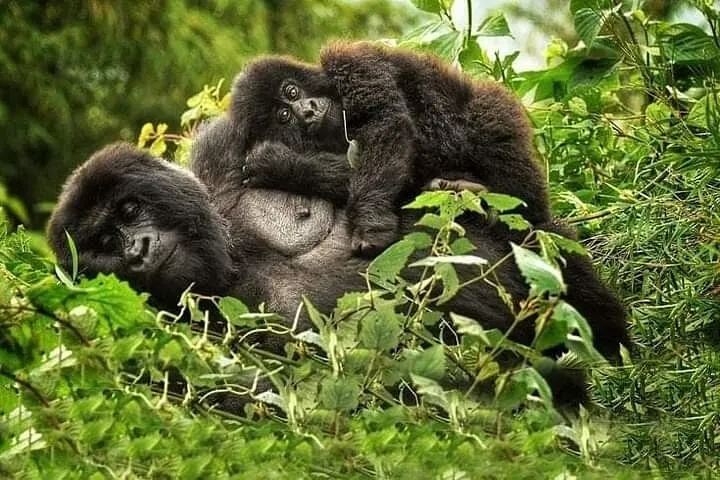
1 Day Rwanda Gorilla Trekking Tour In The Volcanoes National Park
A private 12 hour Kigali day trek with 4x4 transport and meals included, but the mandatory gorilla permit is paid for separately.
- Cancellation
- Free cancellation 24h
- Operator
- Universal Ventures
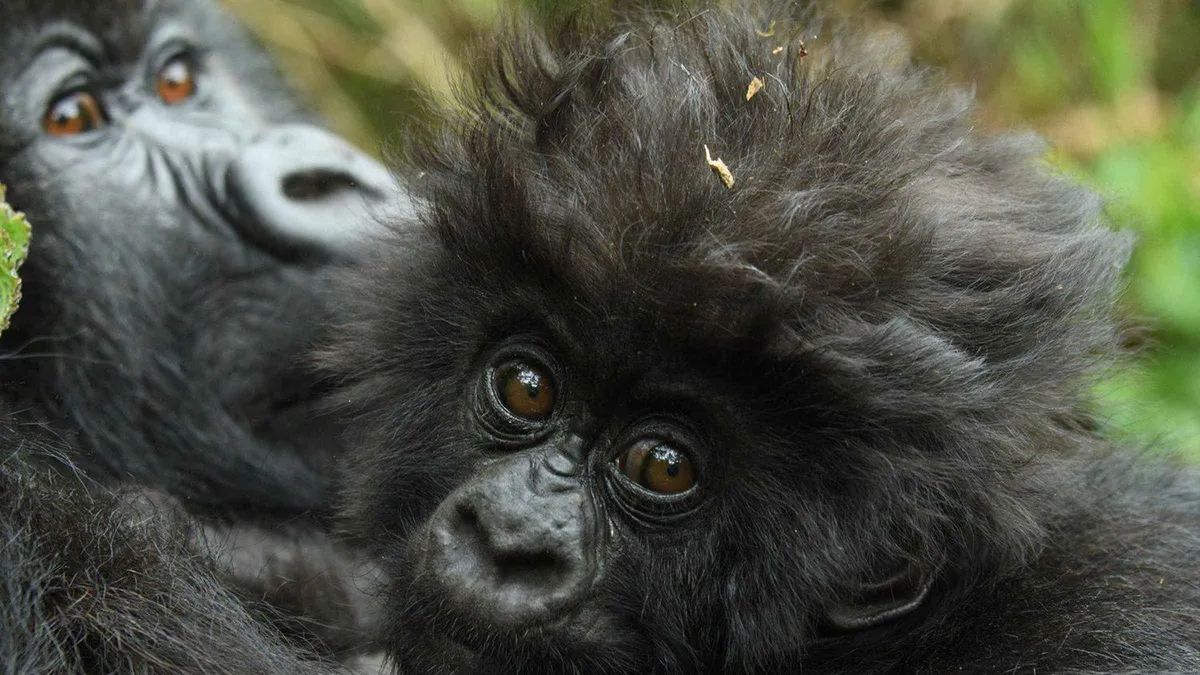
Rwanda Gorilla Trek in Volcanoes National Park
A private day trek from Kigali with a culture tour and lunch, rated 4.9, but the gorilla permit is paid separately and the operator helps arrange it.
- Cancellation
- Free cancellation 24h
- Operator
- Vista Safaris
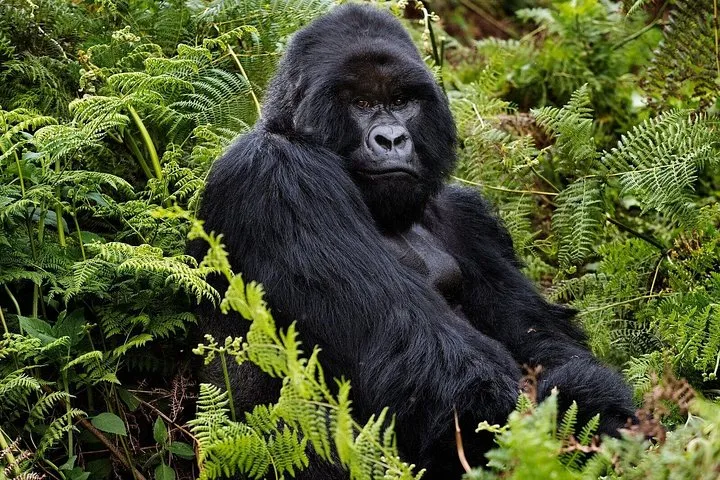
2 Days Gorilla & Golden Monkey Trekking Safaris
Two private treks with canoeing and a lodge night, but the $715 price excludes the gorilla permit while golden monkey permits are included.
- Cancellation
- Free cancellation 3 days
- Operator
- Kingfisher Journeys
Is Lake Kivu safe to swim in?
Locals swim, canoe and jet ski on the lake, and travellers swim at the main beaches, though bilharzia risk near reedy shorelines is worth asking your lodge about.
The official pages do not print a blanket swimming rule for the lake. The practical picture for trekkers looks like this.
What you see on the water
Around Goma and along the Rwandan shore, locals fish from boats alongside canoeing, jet skiing and people who swim in the lake. One reviewer on TripAdvisor noted they personally would not swim, but the same review confirms that swimming happens. The lake surface stays between 22 and 24C, which makes swimming pleasant.
Rules of thumb for trekkers
Swim at established hotel and resort beaches rather than reedy or village shorelines. Ask your lodge whether the stretch in front of it is used for swimming. Stay close to shore, since the lake is deep, reaching a maximum near 485 m, and open-water wind can pick up in the rainy periods.
If you want certainty, choose a pool at your Rubavu hotel and save the lake for kayaking.
Why is Lake Kivu called killer lake?
The lake bed holds vast volumes of dissolved methane and carbon dioxide, and Lake Kivu is one of only three lakes in the world known to be capable of a limnic eruption, alongside Lake Nyos and Lake Monoun.
The nickname sounds alarming, so here is the plain version and what it means for your trip.
The methane story
Lake Kivu is one of three lakes in the world, with Lake Nyos and Lake Monoun, that undergo limnic eruptions, where dissolved gases can suddenly come out of deep water. Great volumes of dissolved methane gas that may be developed as energy sources exist in its deep waters. Rwanda extracts some of that methane for power, which also reduces the gas load over time.
Has Lake Kivu ever erupted?
No limnic eruption is recorded at Lake Kivu in modern times. Lake Nyos in Cameroon is the lake where a limnic eruption caused deaths, in 1986, which is why Kivu carries the killer lake label by association. For travellers the practical reality is simple.
Millions of people live around the lake, about 2 million in the basin, and towns such as Rubavu and Karongi operate normally on the shore. The gases sit in deep water, far below the swimming and kayaking zone.
Why is Lake Kivu famous?
It is famous as Africa's eighth largest lake, one of the deepest African Great Lakes, a methane-bearing natural wonder and the beach-and-kayak getaway closest to Rwanda's gorilla parks.
Both facts feed the gorilla traveller. The size explains the long shoreline, and the geography explains the climate.
Size and depth
Lake Kivu is approximately 42 km long by one measure and 90 km long by another, and about 50 km at its widest, covering roughly 2,700 km2 of surface, which makes it Africa's eighth largest lake. Its surface sits at 1,460 metres above sea level, the highest of the African Great Lakes, with a maximum depth of around 485 m and a mean depth of 220 m. It is the third deepest African Great Lake, with a shoreline of 860 km.
Fish and people
The lake is the largest local source of fish in Rwanda, producing about 21,400 tons per year, and the fishery supports around 500,000 people in Rwanda and the DRC. That fishery is what you hear at dusk in Karongi, when the fishermen sing as they work. The first European to record the lake was the German explorer Count Adolf von Götzen, who reached it in 1894.
When is the best time for a Lake Kivu stop after trekking?
Plan lake days outside the long rains of February to May and the short rains of October to December, when the water still sits between 22 and 24C.
The rainy pattern also shapes your trek, so the two halves of the trip share a calendar.
Rain and water temperature
The area receives long rainy periods from February to May and short rains from October to December, and the lake's surface temperature varies between 22 and 24C across the year. In the wet months a swim can turn into a covered veranda afternoon, so keep kayaking and cycling plans flexible. The drier stretches of the year suit both the forest trek and the trail stages.
Trek plus lake in one calendar
Gorilla tracking permits are available throughout the year, and the wettest months are March to May. Rwanda's low season permit discount of 30% applies from November to May only for combined trips that also include Akagera and/or Nyungwe with qualifying nights, according to the RDB portal. If that discount fits your route, a lake stop between the parks is an easy add.
Gorilla permit prices start from US $1,500 per person per day in Rwanda and from US $800 in Uganda, which is why the free and cheap lake activities carry so much weight in the budget.
Sources: Rwanda Development Board, Visit Rwanda, Uganda Wildlife Authority.
How do you get from Volcanoes National Park to Lake Kivu?
Drive about an hour from Volcanoes National Park to Rubavu on the northern shore, then continue by road or boat along the lake towards Karongi and Rusizi.
The transfer is short enough to do on trek day itself.
On trek day
Report to Kinigi at 7:00 AM for the briefing, trek from 90 minutes to the whole morning, and drive out to Rubavu in the afternoon. The trek itself can last anywhere from 30 minutes to three quarters of the day depending on where the gorillas are, so do not book a fixed evening boat. A private car or a driver arranged with your tour is the normal way.
Travellers without a car hire a taxi or a boda from Musanze.
Along the lake
The road continues south from Rubavu to Karongi and on to Rusizi, following the same 227 km corridor as the Congo Nile Trail. Boats connect some lakeside points and are the scenic option for a one-way leg. If you are combining Rwanda with Uganda, our 4 day Rwanda and Uganda gorilla trekking itinerary page shows how the borders fit, and the East Africa Tourist Visa covers both countries on one document.
Source: Rwanda Development Board.
How many days should you add on Lake Kivu to a gorilla trip?
Two nights at Rubavu is the sweet spot after a one-day or two-day trek, and three to four nights lets you add Karongi and a Congo Nile Trail stage.
Match the lake time to your permit spend, since the permit is the costly part of the trip.
Sample plans
After the trek you have already paid the big number. Rwanda permits cost US $1,500 per person per day according to Visit Rwanda, and Uganda's foreign non-resident permit is US$800 under the UWA tariff, so days two to four should be low cost. The lake delivers that.
| Nights at the lake | Plan | Cost shape |
|---|---|---|
| 1 | Rubavu only, swim and dinner on trek day | Transfer plus hotel |
| 2 | Rubavu two nights, kayaking and one trail stage morning | Add kayak hire |
| 3 to 4 | Rubavu then Karongi, boat trip, fishing village dusk | Add road transfer or boat leg |
Permit logistics before the lake
Book the permit first, since bookings are first come first served and the permit is generated after the application is complete. Only 96 gorilla permits are issued daily in Rwanda, eight per troop per day, with a minimum age of 15, a maximum of 8 visitors per group, one hour with the gorillas and a 7 metre distance rule. If no gorilla family is contacted during a full-day effort, 75% of the tracking fee is refunded under the RDB portal rules.
Fix your lake dates around the permit date, not the other way round.
Sources: Visit Rwanda, Rwanda Development Board, Uganda Wildlife Authority.
Lake Kivu for Gorilla Trekkers: FAQ
Is Lake Kivu safe to swim in?
Locals swim, canoe and jet ski on the lake, and hotel beaches at Rubavu and Karongi are used for swimming. Swim at established beaches, ask your lodge about the stretch in front of it, and note the water sits between 22 and 24C. One TripAdvisor reviewer said they would not swim, but swimming is common on the lake.
Has Lake Kivu ever erupted?
No limnic eruption is recorded at Lake Kivu, though it is one of three lakes in the world, with Lake Nyos and Lake Monoun, capable of one. The dissolved methane sits in deep water, far below the areas where trekkers swim and kayak.
Why is Lake Kivu famous?
It is Africa's eighth largest lake at about 2,700 km2, the third deepest African Great Lake with a maximum depth near 485 m, and it holds great volumes of dissolved methane that may be developed as energy. For gorilla trekkers it is famous as the beach hour from Volcanoes National Park.
Is Lake Kivu worth visiting?
Yes for gorilla trekkers, because Rubavu is about an hour's drive from Volcanoes National Park and the lake adds swimming, kayaking and the 227 km Congo Nile Trail at low cost after a $1,500 Rwandan permit day. Plan your full budget with our gorilla trekking cost guide.
Lake Kivu is in which country?
Lake Kivu sits on the border between Rwanda and the Democratic Republic of Congo. The Rwandan shore towns are Rubavu, Karongi and Rusizi, and Rubavu is the one that pairs with gorilla trekking at Volcanoes National Park.
Why is Lake Kivu called killer lake?
The name comes from the methane and carbon dioxide dissolved in its deep waters, which make it one of the world's three lakes capable of a limnic eruption, like Lake Nyos in Cameroon. The gas stays in deep water and lakeside towns such as Rubavu operate normally for visitors.
Lake Kivu fishing, can trekkers watch or join it?
You watch it best at Karongi, where the sound of local fishermen singing carries across the water at dawn and dusk. The lake produces about 21,400 tons of fish a year and supports around 500,000 people in Rwanda and the DRC, so the boats you see at sunset are a working fishery.
Which tours end close enough to Lake Kivu for a lake stop?
Day treks from Kigali finish in time to drive on to Rubavu, including the Rwanda Gorilla Trek in Volcanoes National Park from Vista Safaris at $260 per person. For a two-day option, the 2 Days Gorilla & Golden Monkey Trekking Safaris leaves you free for lake nights afterwards, and our 2 day gorilla trekking Rwanda page has the details.
More Guides
- How Much Does Gorilla Trekking Cost in Rwanda and Uganda?
Gorilla trekking cost 2027: permits, tour prices and booking rules. 96 permits daily in Rwanda, treks of 2 to 7 hours. Compare and plan your trek.
- Best Time to Visit Uganda for Gorilla Trekking
Plan the best time to visit Uganda in 2027. Two dry seasons, June to September and December to February, See the month table and book.
- East Africa Tourist Visa for Gorilla Trekking in Rwanda and Uganda
The East Africa Tourist Visa covers Rwanda, Uganda and Kenya for 90 days in 2027 on one $100 visa. See how to apply for your gorilla trek.